
The Smarter Way to Rank Higher in 2025
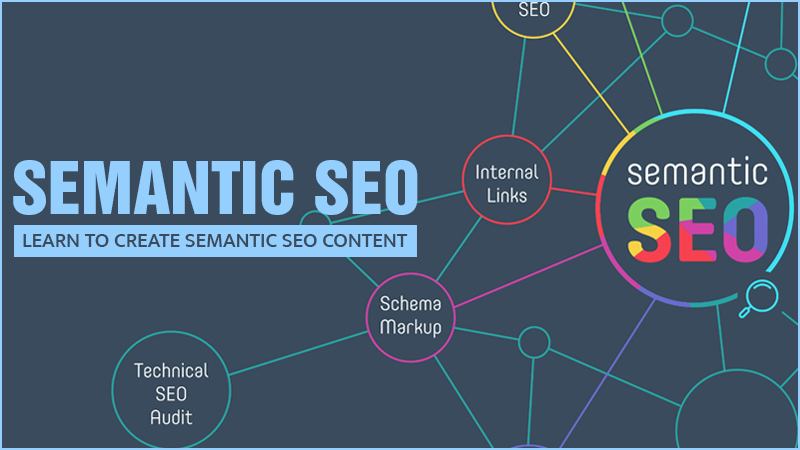
What Exactly Is Semantic SEO?
Semantic SEO is about making your content make sense.
It’s no longer just about repeating keywords — it’s about helping Google understand what your content truly means and why it’s valuable to the reader.
In simple words, you’re writing for humans first, search engines second.
For example, if your main keyword is “best coffee machines”, don’t stop there. Talk about how to clean them, which beans work best, or how espresso compares to drip coffee. This tells Google that you’re covering the entire topic — not just chasing a phrase.
Why It Matters in 2025
Search engines have become much smarter. With updates like Google BERT and Gemini, Google can understand the intent behind a search, not just the exact words typed.
That’s why content stuffed with the same keywords over and over simply doesn’t work anymore.
Here’s what makes Semantic SEO so important right now:
- It creates better user experiences because your content actually helps people.
- It builds topic authority, showing Google that your site is trustworthy and detailed.
- It attracts more traffic by ranking for a bunch of related searches, not just one.
- It’s future-proof, because it works with how AI-powered search engines think.
How It Really Works
Semantic SEO revolves around three big ideas: context, intent, and relevance.
- Context:
Search engines don’t just look at a keyword — they look at the words around it. If you write “apple,” they check the context to see whether you mean the fruit or the tech brand. - Intent:
What’s the reader actually trying to do? Someone searching “how to make coffee at home” wants a step-by-step guide, not a product page. If your content gives them what they came for, Google rewards you. - Relevance:
The more connected ideas, entities, and related terms you use, the clearer your topic becomes to Google. Basically, your content becomes a web of meaning.
How to Apply Semantic SEO to Your Website
1. Build Topic Clusters
Instead of writing dozens of random blog posts, organize your content by topics.
Start with one main guide (called a pillar page) and link smaller, related posts (cluster pages) around it.
For example:
- Pillar page: Complete Guide to Coffee Brewing
- Cluster pages: How to Grind Coffee Beans, French Press vs Espresso, Best Coffee Machines 2025
This structure helps Google see how your pages are related and gives your site a stronger topical foundation.
2. Focus on Intent, Not Just Keywords
Understand what kind of answers people want — informational, product-based, or comparison-based.
Mix natural keyword variations like:
- “Which coffee machine is best for beginners?”
- “How to clean a coffee maker at home?”
- “Best espresso beans for home use”
This helps your page show up for many different types of searches.
3. Use Schema Markup
Schema is like a translator between your content and Google.
When you add structured data (like FAQ, Product, or Review schema), you help search engines understand your content better — and you can earn rich snippets in results, which boost clicks.
4. Strengthen Internal Links
Connect your related posts. It helps users explore your site and shows Google how your pages fit together. Internal linking is one of the simplest but most powerful parts of semantic SEO.
5. Write Naturally
Google’s AI can detect forced, keyword-heavy writing. The best approach is to sound natural — as if you’re explaining something to a friend. Use real questions, conversational tone, and easy flow.
Why It’s Worth It
When you apply Semantic SEO, you’ll notice real improvements:
- More visibility: You’ll start ranking for dozens of related searches.
- More engagement: Visitors spend more time on pages that genuinely help them.
- Better click rates: With schema markup, your results look more attractive on Google.
- Authority growth: Covering a topic in depth makes you the go-to source.
- Voice search readiness: Semantic SEO naturally fits how people ask questions out loud.
Where to Start
If you’re just getting started, here’s a simple approach:
- Choose a main topic you want to rank for.
- Look at Google’s “People also ask” section and related searches for ideas.
- Write helpful, detailed content around those questions.
- Add schema markup where it makes sense.
- Link your related pages together.
- Keep an eye on performance in Google Search Console — you’ll see new related keywords pop up over time.
Final Thoughts
Semantic SEO isn’t a trick — it’s just better communication. It’s about understanding what your audience wants and creating content that truly answers their questions. When you do that, search engines notice.
Forget keyword stuffing and short-term hacks. Focus on clarity, context, and intent. The reward is long-term traffic, stronger rankings, and a brand that feels more trustworthy.
The formula is simple: write for people, optimize for meaning. That’s how you win in 2025.